
Methods
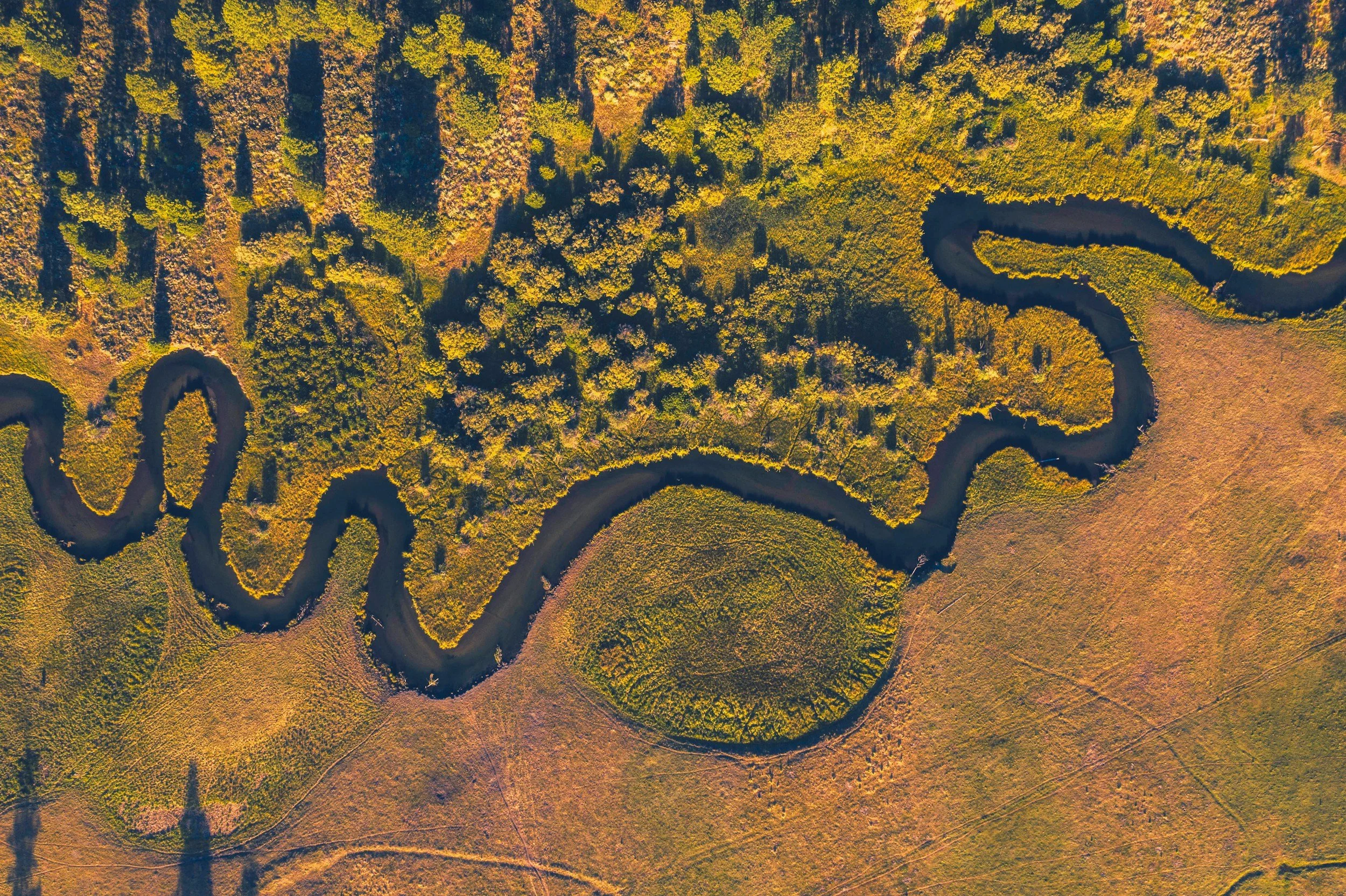
Beginning locally in the West Midlands, the project follows water from source to outlet, exploring the rivers, streams, springs, wetlands, farms, towns, canals, reservoirs, woodlands and floodplains that make up the catchment.
Beginning locally in the West Midlands, the project follows water from source to outlet, exploring the rivers, streams, springs, wetlands, farms, towns, canals, reservoirs, woodlands and floodplains that make up the catchment.
he Centre for Ethnoecology employs an interdisciplinary, place-responsive methodology combining ethnography, ethnoecology, environmental anthropology and participatory research.
Our work investigates the relationships between people, cultures, knowledge systems and the ecological world, with particular emphasis on lived experience, local knowledge, everyday practices and the changing relationships through which landscapes and communities are constituted.
We employ a combination of case study research, ethnographic investigation, Communities of Practice, oral history, participatory action research and multispecies ethnography. These approaches enable us to document and interpret the diverse ways in which people and other living organisms interact with, understand and influence their environments.
Our research draws upon traditional and local ecological knowledge, scientific evidence, historical records, cultural practices and contemporary experience. We seek to understand not only what people know about their environments, but how knowledge develops, is transmitted, contested and applied through everyday relationships and practices.
We recognise ecological and social environments as complex, dynamic and interconnected systems. Our analytical approaches therefore draw upon complexity theory, social-ecological systems thinking, political ecology and regenerative economics.
Research is undertaken with a commitment to translating understanding into practical outcomes. Through collaborative investigation, knowledge exchange, experimentation and evaluation, we seek to inform community initiatives, ecological management, environmental policy and regenerative approaches to local economies.
Our methodology is adaptive rather than prescriptive. It recognises that knowledge emerges through engagement, that different places require different approaches, and that meaningful ecological and social change depends upon understanding the relationships that already exist.
Core Approaches
Come Back for more updates on the project as it develops.
Ethnography
Case Study
Initial probes that go on to become case studies, provocations for communtiies of pratice or developing understanding to help create particularpy action research which uses distributed ethnography.
We avoid ideas around best practice as context is king. Rather we develop and use case studies as provovations and to disrupt thinking to help avoid myopic viewpoints.
Communities of Practice
Help disspassionatly map and critque the landscapes of approaches, rather than promote any particular methodology.
Participatory Action Research
Community is king. We support many parrallel, safe to fail expeirments, with the community signifiying the value and impacts. Our role is to help with navigating the sensemaking process.
Applciation
How individuals and communties perceive and relate to their local ecology is the substate upon which all other efforts rest. Consider how habitat restoration or architectural projects would fare without giving attention to the bedrock and soils on top of which they are working.
PRACTICAL APPLICATION
Community initiatives
Ecological management
Regenerative economies
Policy development
Knowledge exchange
Landscape stewardship
What makes the Centre's methodology distinctive?
I think there are five characteristics worth making explicit.
1. Responsive to Lived experience rather than prescribed experience (models)
The Centre investigates how people actually experience, understand and interact with their environments. It does not begin with assumptions about how people ought to feel about nature or how they ought to behave.
2. Relationships rather than isolated subjects
Research should investigate relationships between people, species, places, knowledge, practices, institutions and economies. This is where ethnoecology and multispecies ethnography become particularly important.
3. Multiple knowledge systems
Scientific ecological knowledge, traditional ecological knowledge, local ecological knowledge, professional experience and everyday observation should all be considered. They are not necessarily interchangeable, but each can contribute to understanding.
4. Research that leads to practical consequences
Research should not be an end in itself. Its findings should inform practical activity, community development, environmental management, policy and regenerative economic opportunities.
5. Reflexive and adaptive practice
The Centre should continually examine its own assumptions, methods and interpretations. It should recognise that researchers are participants in the relationships they investigate, rather than entirely detached observers.
Work with us
Get in touch.
If you would like to connect with this project and help improve understanding of the relationship between the people and places of the River Trent, please use the form below.

We study the diversity and development of perspectives and relationships between communities and their local ecologies.
We invest for regenerative futures.
The Centre for Ethnoecology is a Community Interest Company (registration number 12365677).