
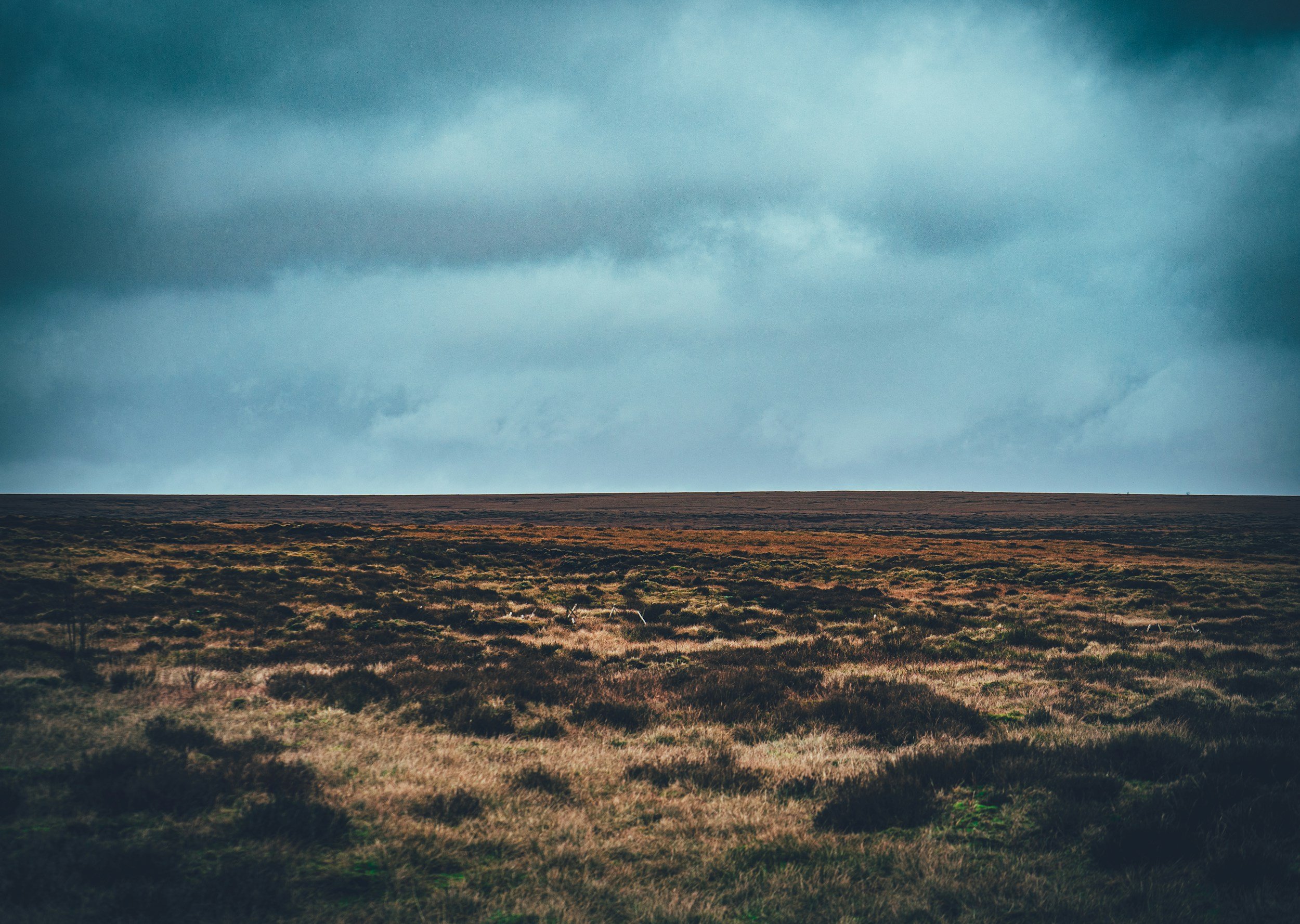
My work centres on exploring a living ethnography of communities and their local ecology.
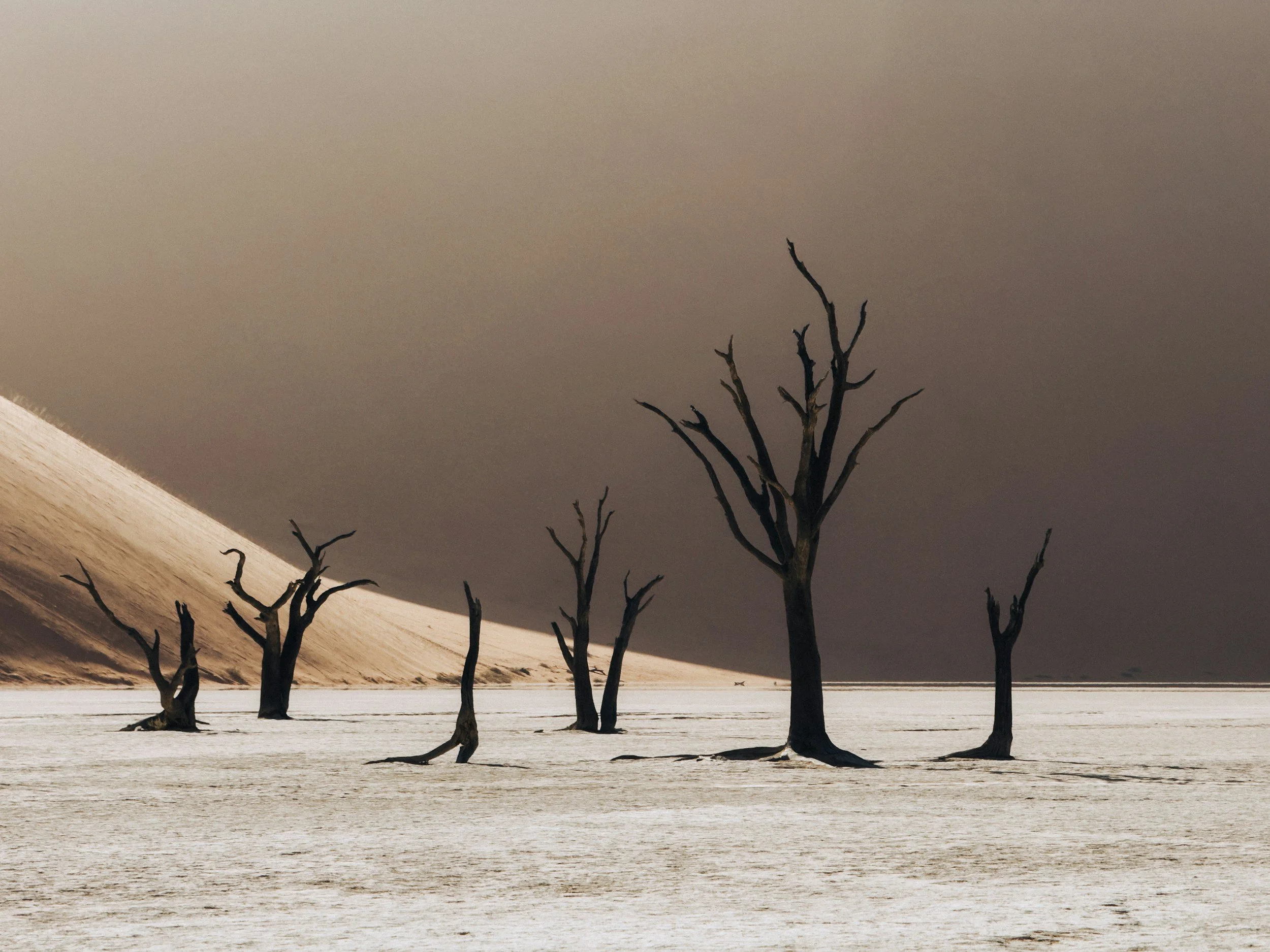
It explores how people relate to place through story, crafts, and tradition towards a more ecologically regenerative future.
A lifelong woodland dweller, from a young age I was drawn to the more-than-human places and communities of beings. Good fortune led me to encounter fields of work and study that held the beginnings of a deeper journey into traditional ecological knowledge and ecological identity.
The aim of my work now is to better understand the varied, nuanced ways that people perceive and relate to their local landscape, the other beings that they share it with and how these relationships influence who they are, as individuals and as part of communities.
Through writing, photography, art and speaking, I hope to encourage open, inquiring journeys into what we might learn about the depth and breadth of human experience and its relationship to the Land.
Exploring how people relate to place through story, crafts and tradition.
travel and commercial vs local and cultural
In my travels, I have been fortunate to meet with a wide variety of people, indigenous communities, professionals, and researchers. The central theme that has repeadidly drawn my attention is the notion of belonging.
Not documentation, rather elicitation of how these skills, crafts and lifeways promote and benefit from being in deep relation to the Land.
I am excited to be part of an ever-growing community of people who are all, through their various works, be it creative and/or academic, to highlight ways in which more of us can feel that we are again part of the Land and instead, use another name for it.
Home.
The Land with which I live.
River trent
Forests of Cannock Chcase
global
not interested in making any significant contribution to academic fields. I am more interested in how academic fields can contributed to enriching my understanding of lived expereinces and relationships of the communities within the watershed of the River Trent.
My interest in these ideas is ultimately practical. I am less concerned with developing theory for its own sake, or with contributing another layer to an already crowded academic field, than with exploring what ideas might enable us to do differently in the places where we actually live.
Much of this work is grounded in my own community along the River Trent and across its wider watershed. I am interested in how ways of understanding land, ecology, culture and relationship might become useful in practice: informing how communities care for places, make decisions, build relationships and imagine their futures.
For me, research and reflection are therefore means rather than ends. Their value lies in what they make possible beyond themselves. I am particularly interested in forms of practice that can contribute to regenerative futures—futures that are socially meaningful, ecologically restorative and rooted in the particular character, histories and relationships of the places we call home.
Currently, I am working to bring together researchers, practitioners, artists, and communities to explore and expand the diverse ways we understand people's relationships with their local ecologies.