
Multispecies ethnography explores the lives, relationships and worlds that emerge through encounters between humans and other living beings.
Rather than treating animals, plants, fungi and microorganisms simply as resources, symbols or background to human activity, multispecies ethnography asks how other organisms participate in shaping shared worlds. It examines relationships across species, paying attention to interdependence, behaviour, communication, habitat, movement and material exchange. In doing so, it challenges the assumption that social and cultural life can be understood solely from a human perspective, and considers how our lives are continually influenced by beings whose experiences and forms of agency may be very different from our own.
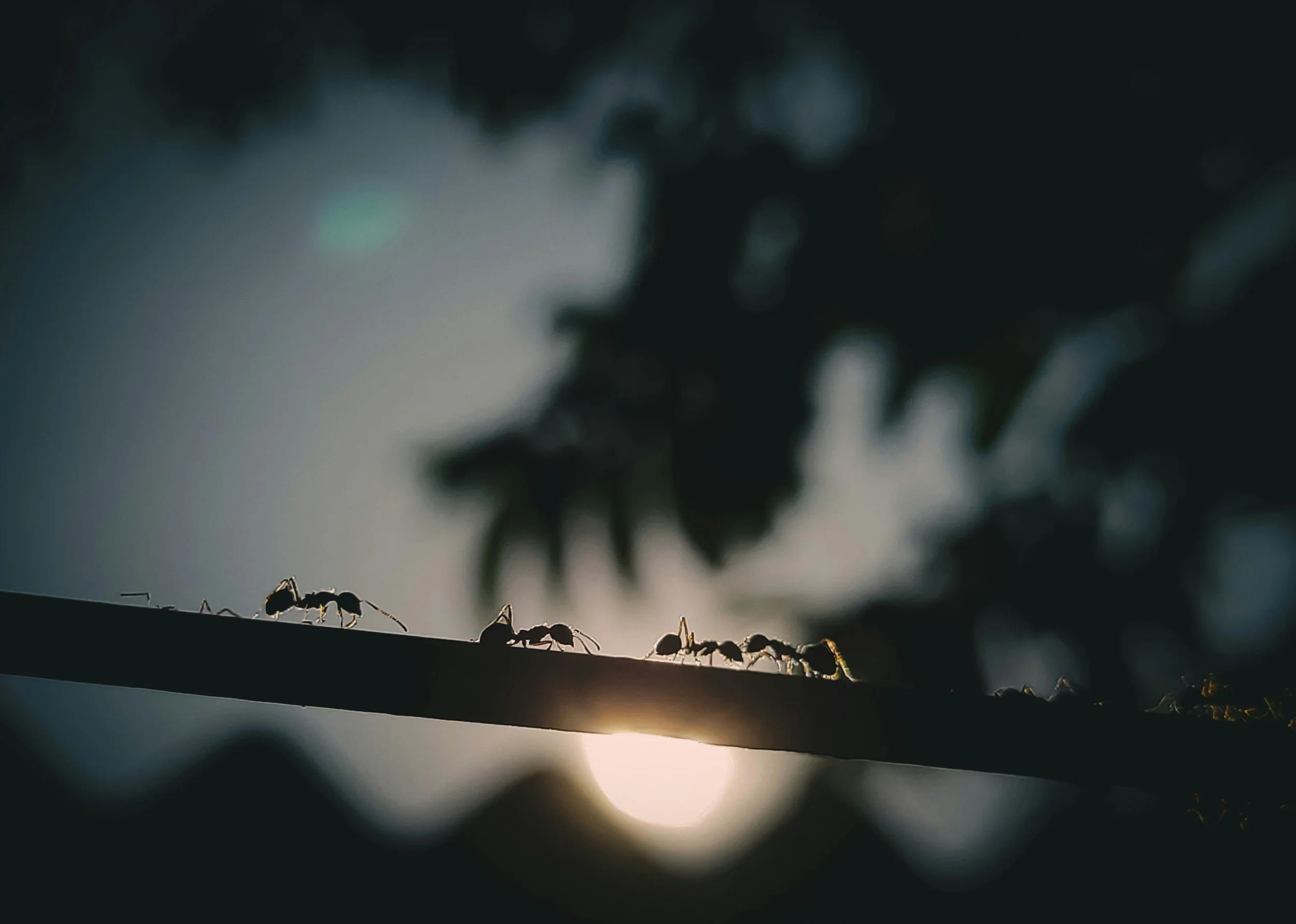
The field draws on diverse influences, from Donna Haraway's work on companion species and situated relationships, through Anna Tsing's studies of interspecies collaboration and disturbance, to Eduardo Kohn's exploration of forests and the semiotic lives of other beings. Eben Kirksey, Stefan Helmreich and others have further developed approaches to multispecies worlds, while contemporary research increasingly considers plants, fungi, microbes and entire ecological assemblages. Together these perspectives invite us to reconsider whose lives constitute the social world, and what becomes visible when ethnography extends beyond the human.
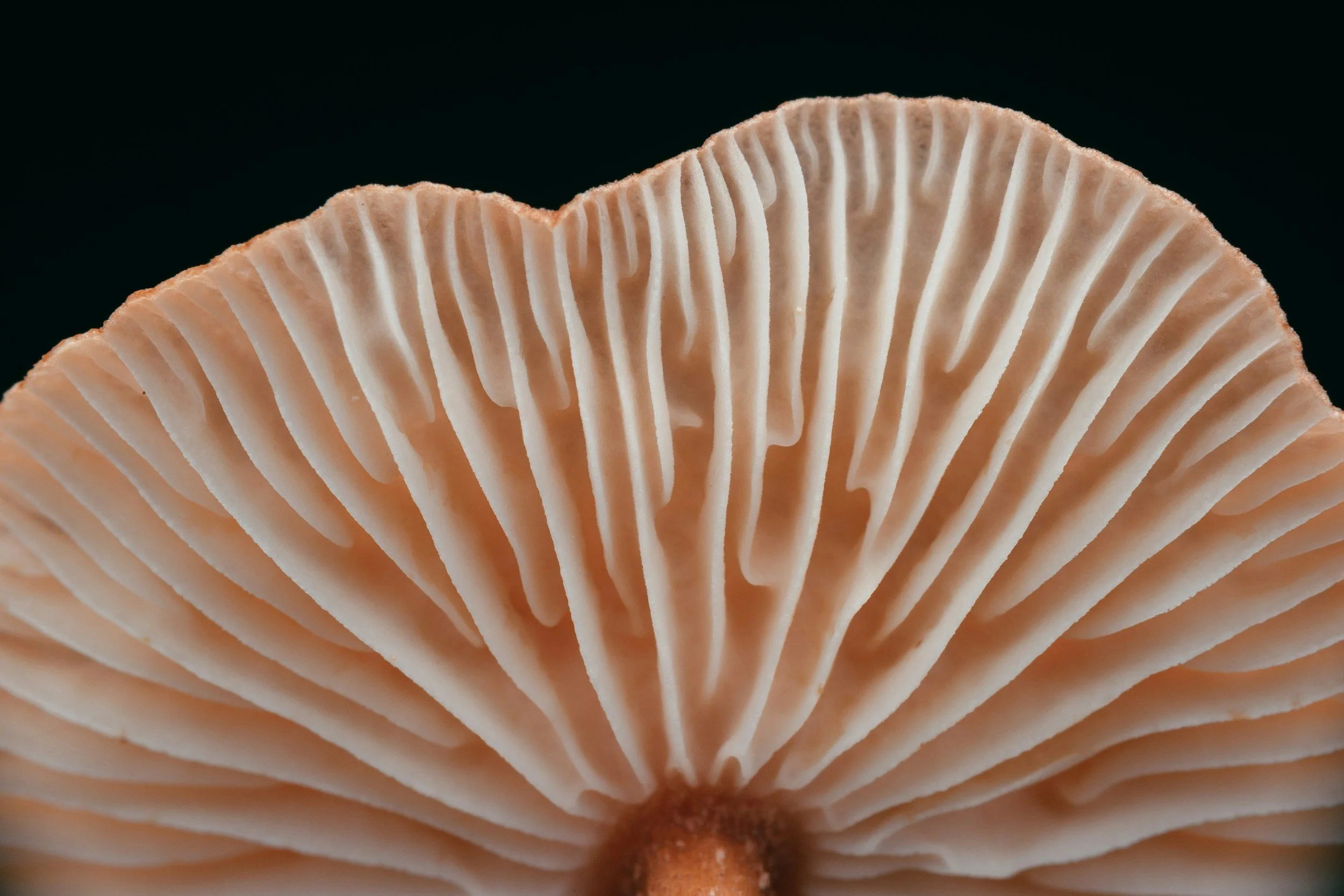
This enquiry brings anthropology into conversation with ecology, zoology, environmental humanities and science and technology studies. Researchers may follow particular species, landscapes or human–animal relationships, exploring how lives become entangled through farming, conservation, urbanisation, domestication and ecological change. Its relevance extends into questions of biodiversity, habitat loss, food systems and environmental ethics, while encouraging a more attentive understanding of the dependencies and responsibilities that arise from sharing environments with other forms of life.
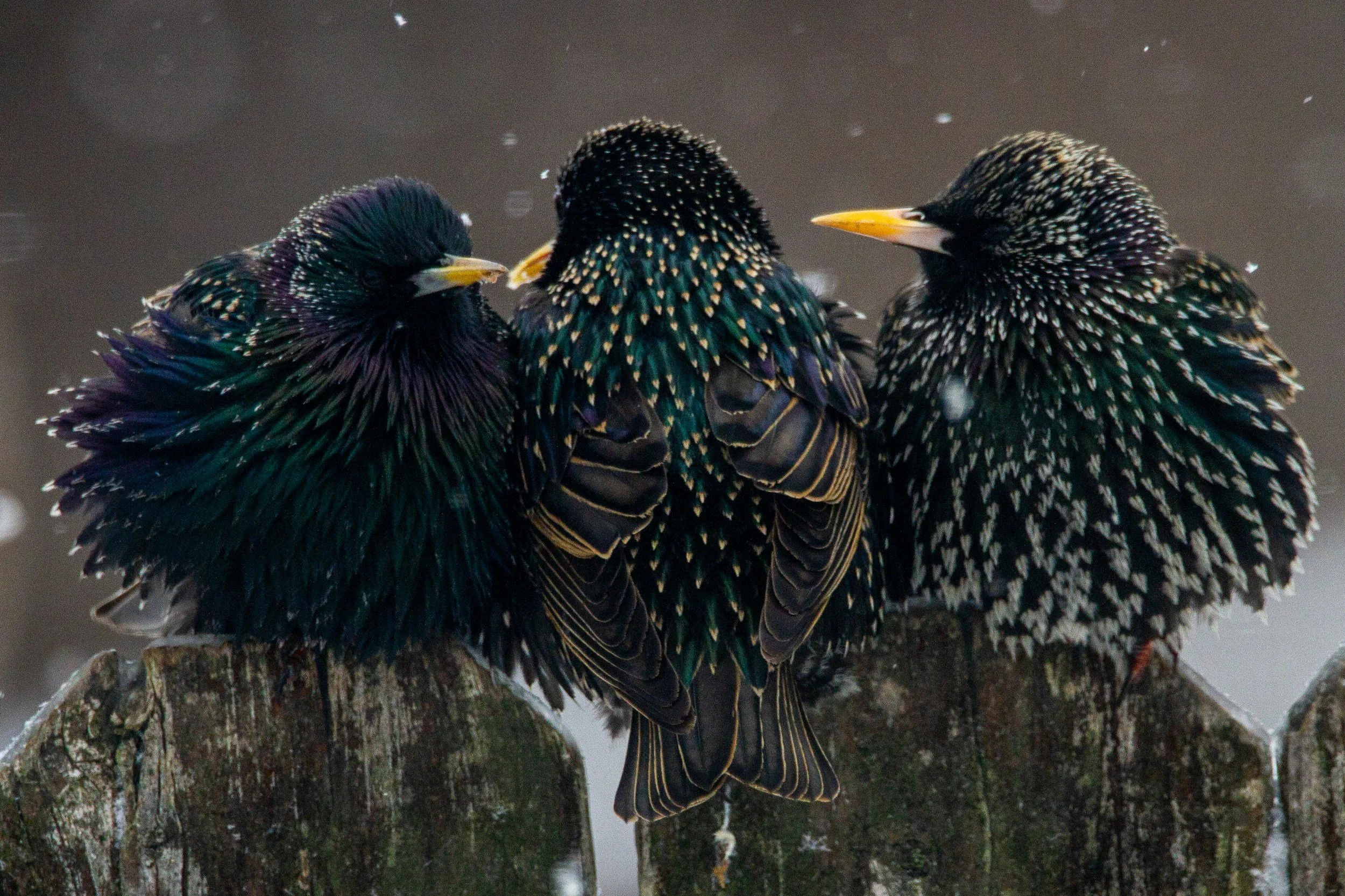
Multispecies ethnography matters because human life is inseparable from the lives of countless other beings, yet many of our social systems are organised as though humans were the only meaningful participants. Birds alter how gardens are managed; fungi transform soils and materials; trees provide shelter and food; insects pollinate crops; rivers shape settlements; pathogens influence societies. These relationships are so ordinary that they often disappear from conscious attention.
Multispecies ethnography brings them back into view by asking how human lives are shaped through relationships with animals, plants, fungi, microorganisms and other forms of life—and how those beings, in turn, shape the worlds humans inhabit. This does not require romanticising other species or pretending that all interests are harmonious. Instead, it encourages closer attention to interdependence, agency, conflict and mutual influence.
Such attention can change everyday decisions: how land is managed, what is cultivated, which species are valued, how homes and cities are designed, and whose needs are considered. In the face of ecological disruption, it offers a way of thinking beyond a purely human-centred account of sustainability towards one concerned with the conditions in which multiple forms of life can continue to exist together.