Traditional Ecological Knowledge (TEK) consists of the intergenerational skills, crafts, and understanding of how to live regeneratively with our local ecology.
I have been fortunate to spend time with Indigenous communities in different parts of the world. What struck me most was not simply the depth of their ecological knowledge, but how practically, socially and spiritually they are in relationship with the Land. I first encountered Traditional Ecological Knowledge (TEK) as a way of understanding these relationships, and as a counterpoint to the idea that ecological knowledge belongs primarily to science or formal environmental management. Over time, my interest has shifted from TEK as a body of knowledge to what it reveals about how knowledge is lived, carried and made through relationship with place.
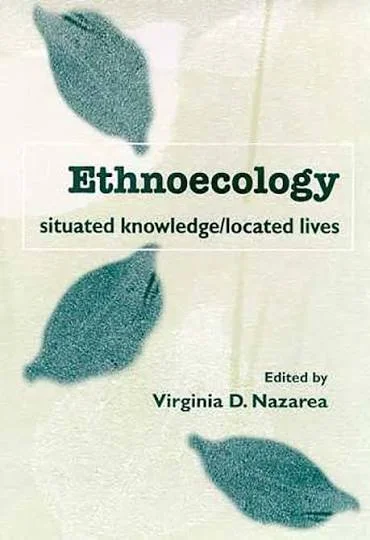
This enquiry explores Traditional Ecological Knowledge (TEK) as culturally situated, relational and embodied rather than simply a repository of ecological information. Conklin, Hunn, Posey, Toledo, Nazarea and Houde examine how ecological knowledge is embedded in practice, history, identity, ethics, culture and cosmology. Descola, Viveiros de Castro and Kohn extend this towards understanding land as relationship rather than environment. Merleau-Ponty, Gibson and Ingold explore knowing through embodied perception, movement and participation. Finally, Ingold, Polanyi and Dewey illuminate craft as ecological encounter: a way of learning through materials, making and experience, where practical knowledge emerges through sustained, situated engagement with the more-than-human world.
I am now interested in what our own cultural assumptions, language, habits and practices allow—or prevent—us from noticing about the ecologies around us. How do we move from knowing about a landscape to developing a meaningful relationship with it? Rather than looking for a universal model of ecological connection, I am exploring the diverse practices through which people come to know, perceive and belong to particular places. TEK is an important part of this enquiry: not a template to copy, but an invitation to reconsider how our ways of knowing shape what becomes visible to us.