
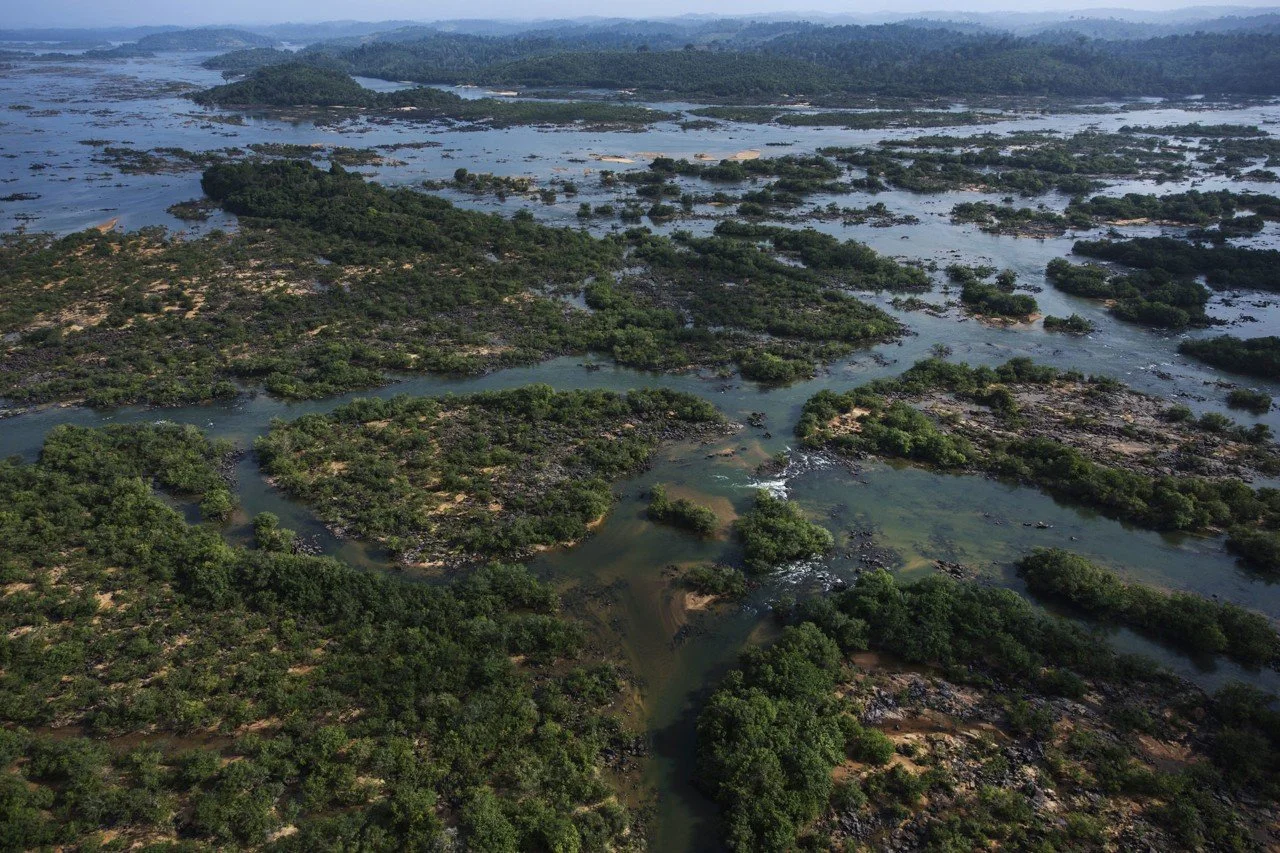
A proposed gold mine on the Volta Grande of Brazil’s Xingu River has had its installation licence suspended again by the country’s Supreme Federal Court. The decision, made on 19 October, followed concerns that the environmental assessment and consultation process had not adequately addressed the impacts on Indigenous peoples, including communities outside formally demarcated territories. The court also pointed to the cumulative pressure already exerted by the Belo Monte hydroelectric dam.
This is not a final cancellation of the mine. The legal dispute continues, and the company says it has complied with its obligations. But the ruling matters because it recognises that a new project cannot be assessed as though the river and its communities were starting from an untouched baseline.
For people living along the Xingu, the question is not only what a mine might do in isolation, but what another major intervention means in a river system already transformed by infrastructure. Consultation is often treated as a procedural stage in development. Here, the unresolved issue is whether Indigenous peoples have had a meaningful role in deciding what happens to their territories and waters at all.
Source: Brazil's Supreme Federal Court, 20 October 2026 — Court decision on the Volta Grande mining project
Additional reporting: Instituto Socioambiental
Further Reading
https://atmos.earth/ecological-wisdom/bolsonaro-xingu-river-brazil-deforestation/