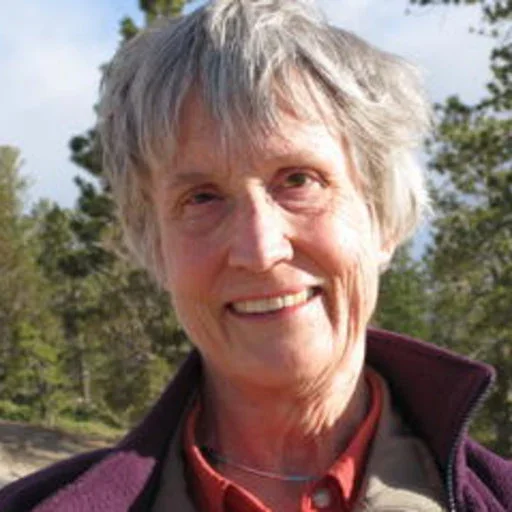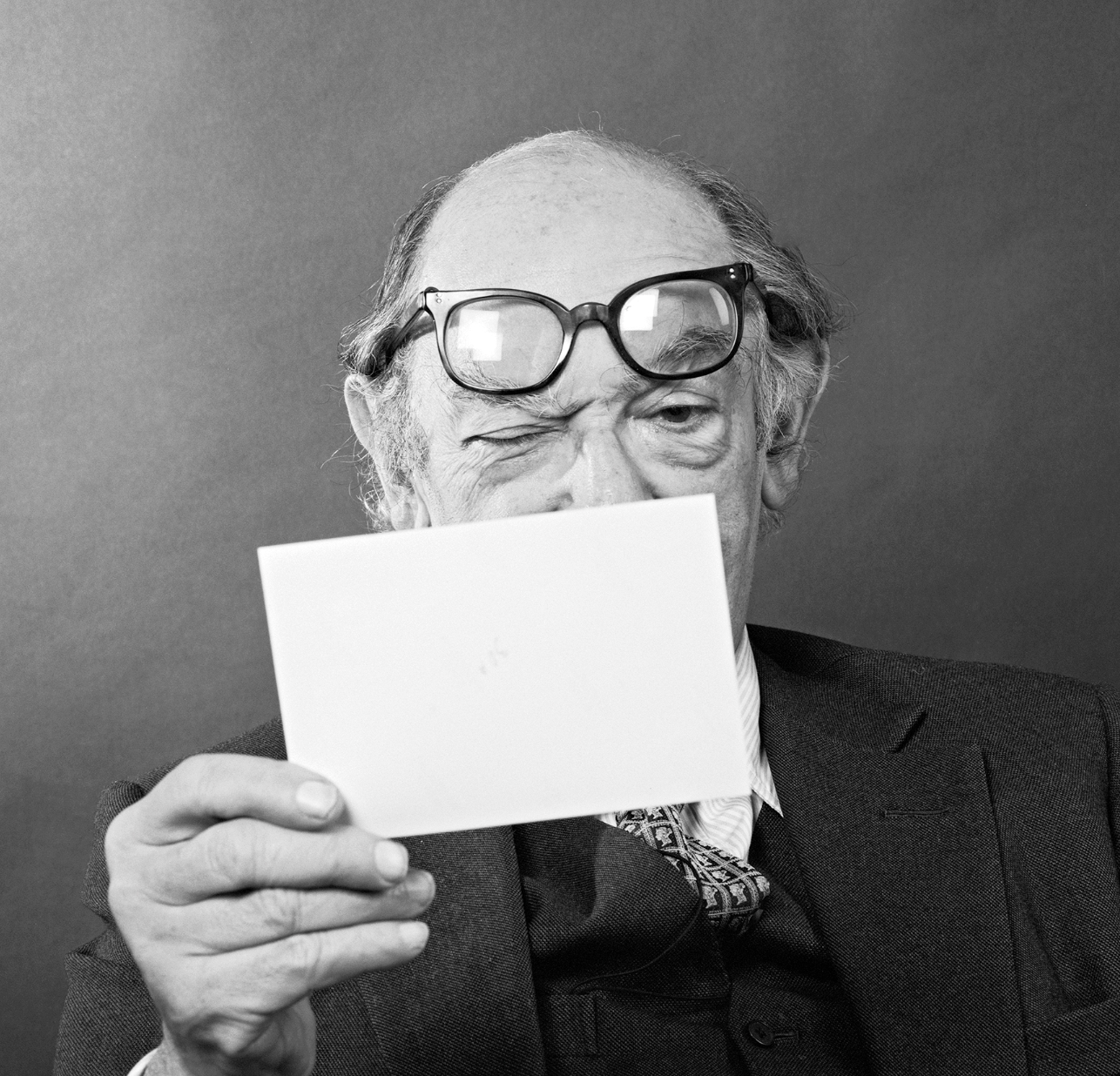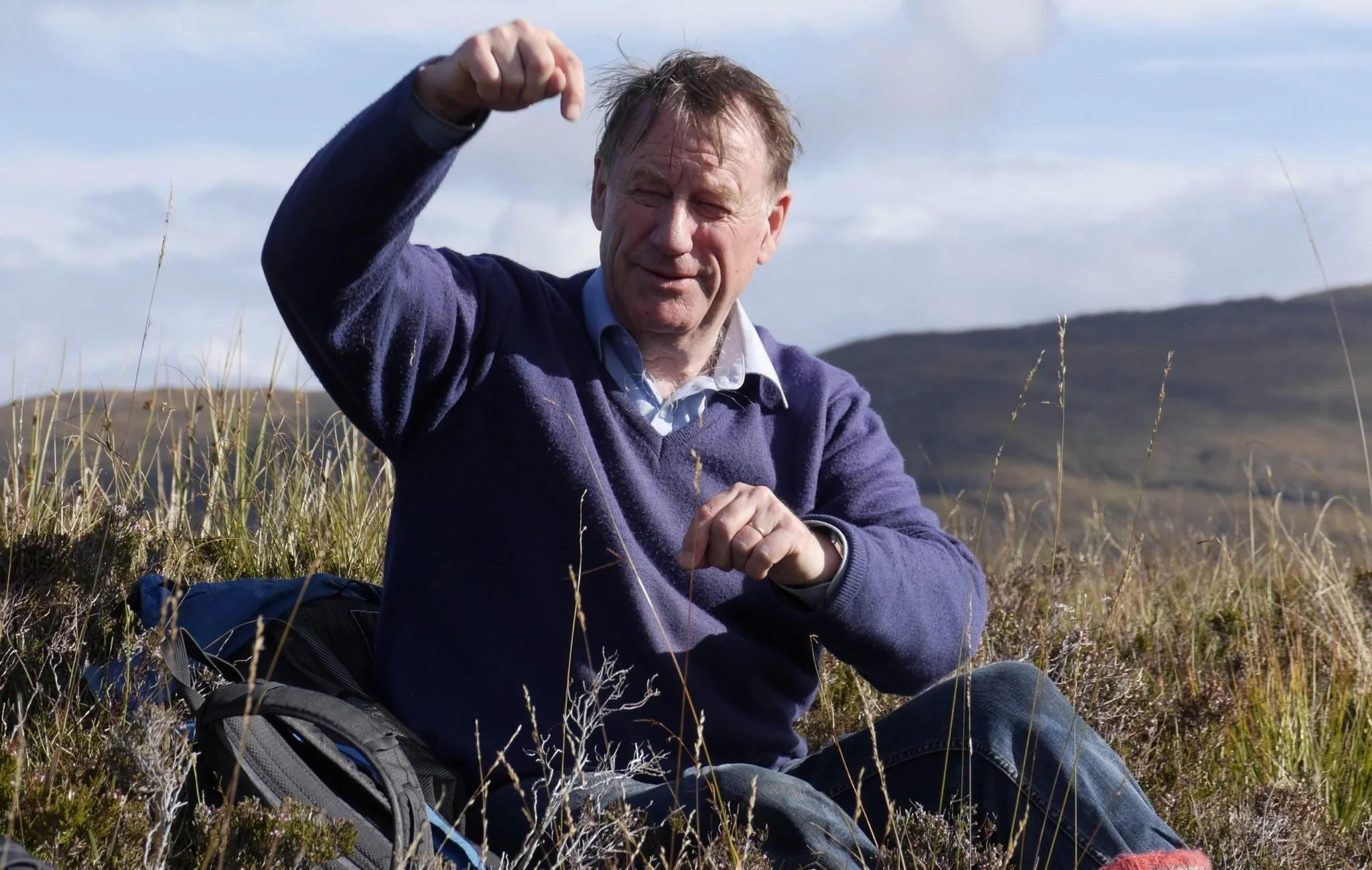
Tim Ingold (1948–)
Emeritus Professor of Social Anthropology at the University of Aberdeen, Fellow of the British Academy and the Royal Society of Edinburgh.
Life and intellectual journey
Ingold is a British anthropologist educated at the University of Cambridge, where he studied social anthropology. His early fieldwork included research among the Skolt Sámi in northeastern Finland, examining reindeer herding, subsistence and relationships with the environment. He held academic positions at the University of Manchester and the University of Aberdeen, where he became a leading figure in contemporary anthropology. His major works include The Perception of the Environment (2000), Being Alive (2011), Making (2013) and Anthropology and/as Education (2018).
Key ideas
Ingold argues that humans do not exist separately from their environments but develop through ongoing relationships with the world. His concepts of dwelling, taskscape and correspondence emphasise movement, participation and the processes through which people and environments continually shape one another. He challenges the idea that knowledge is primarily the application of mental representations to passive materials or surroundings. For ethnoecology, Ingold provides a way to investigate knowledge as something developed through dwelling, working, walking, making, observing and responding to The Land.
Intellectual influences and legacy
Ingold responds to the intellectual separation of nature and culture, mind and body, and knowledge and practice. His work draws on phenomenology, ecological psychology, anthropology, biology and the writings of Merleau-Ponty, Gibson and Bateson. He has also challenged structuralist and representational approaches that treat cultural knowledge as a system of symbols existing independently of practical life. His work has influenced multispecies anthropology, material culture studies, environmental anthropology, design research and practice-based approaches to learning.