
Story as the soil for leadership and change
I help corporate, climate, non-profit and sports organisations leverage the neuroscience of narrative to shift behaviour. By applying ecosystem thinking to leadership, we transform rigid hierarchies into collaborative, resilient networks.
Understanding our relationships with the Land. Creating better ways to live, work and do business within it.
Organisations don't exist independently of the environments in which they operate. They are part of complex ecological, cultural and social systems, shaped by relationships between people, places, resources, knowledge and other forms of life.
I work with businesses, public bodies, environmental organisations and community organisations to explore these relationships and translate them into meaningful action.
Drawing on ethnoecology, environmental anthropology, traditional and local ecological knowledge, ecosystem thinking and place-based research, I help organisations understand the environments they influence, the communities they are part of, and the opportunities to develop more reciprocal and regenerative ways of working.
From understanding to action, I help organisations make better connections between people, place and the natural world.
or
Ethnoecology as the foundation for organisational change
I help businesses, public bodies, environmental organisations and communities understand their relationships with the natural world, and translate that understanding into meaningful action.
By applying ethnoecological research and ecosystem thinking to organisational challenges, we uncover overlooked relationships, connect different forms of knowledge and develop more effective approaches to sustainability, environmental management and place-based regeneration.
The ecology of organisations
Everything exists within a web of relationships
Organisations don't operate in isolation. They are part of complex ecological, cultural, social and economic systems, shaped by relationships between people, places, resources, knowledge and other forms of life.
Yet conventional approaches to sustainability and organisational development often examine these relationships separately, overlooking the connections and dependencies that influence how systems actually function.
Ethnoecology offers a different perspective. By investigating how people know, experience, use and relate to their environments, we can develop a richer understanding of the systems within which organisations operate.
This brings together scientific research, traditional and local ecological knowledge, lived experience, cultural practice and professional expertise.
Understanding relationships creates opportunities for better decisions, more meaningful collaboration and lasting environmental and social outcomes.
Ecologies of Practice - change to be more product focussed, what can they hire me to do?
An ethnoecological approach to organisational change
My approach applies ecosystem thinking to organisational challenges, helping businesses and institutions move beyond isolated interventions towards a more connected understanding of their environmental responsibilities and opportunities.
By exploring the relationships between people, place and practice, we can identify ecological dependencies, uncover overlooked knowledge, recognise opportunities for collaboration and develop approaches that respond to the particular circumstances of an organisation or landscape.
This can inform everything from organisational sustainability strategies and environmental policy to community engagement, ecosystem restoration and regenerative business practice.
The aim is not simply to make organisations more environmentally responsible, but to help them understand their place within the living systems on which they depend.
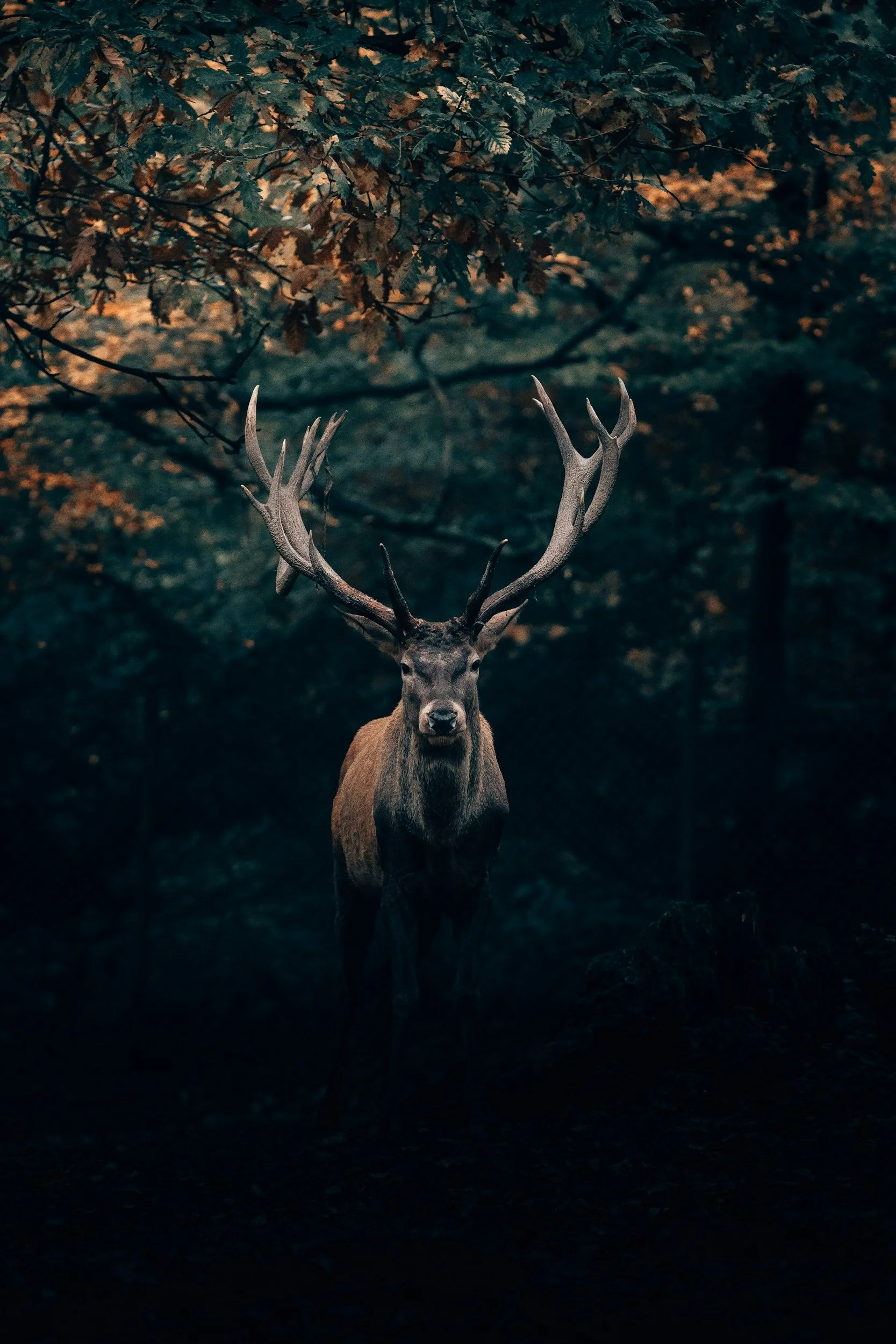
Multispecies Neighbourhoods
Recognising how communities, both human and non-human, co-exist within one another’s lives.

Traditional Ecological Knowledge
Investigating how intergenerational knowledge, skills and crafts influence ecological identities.
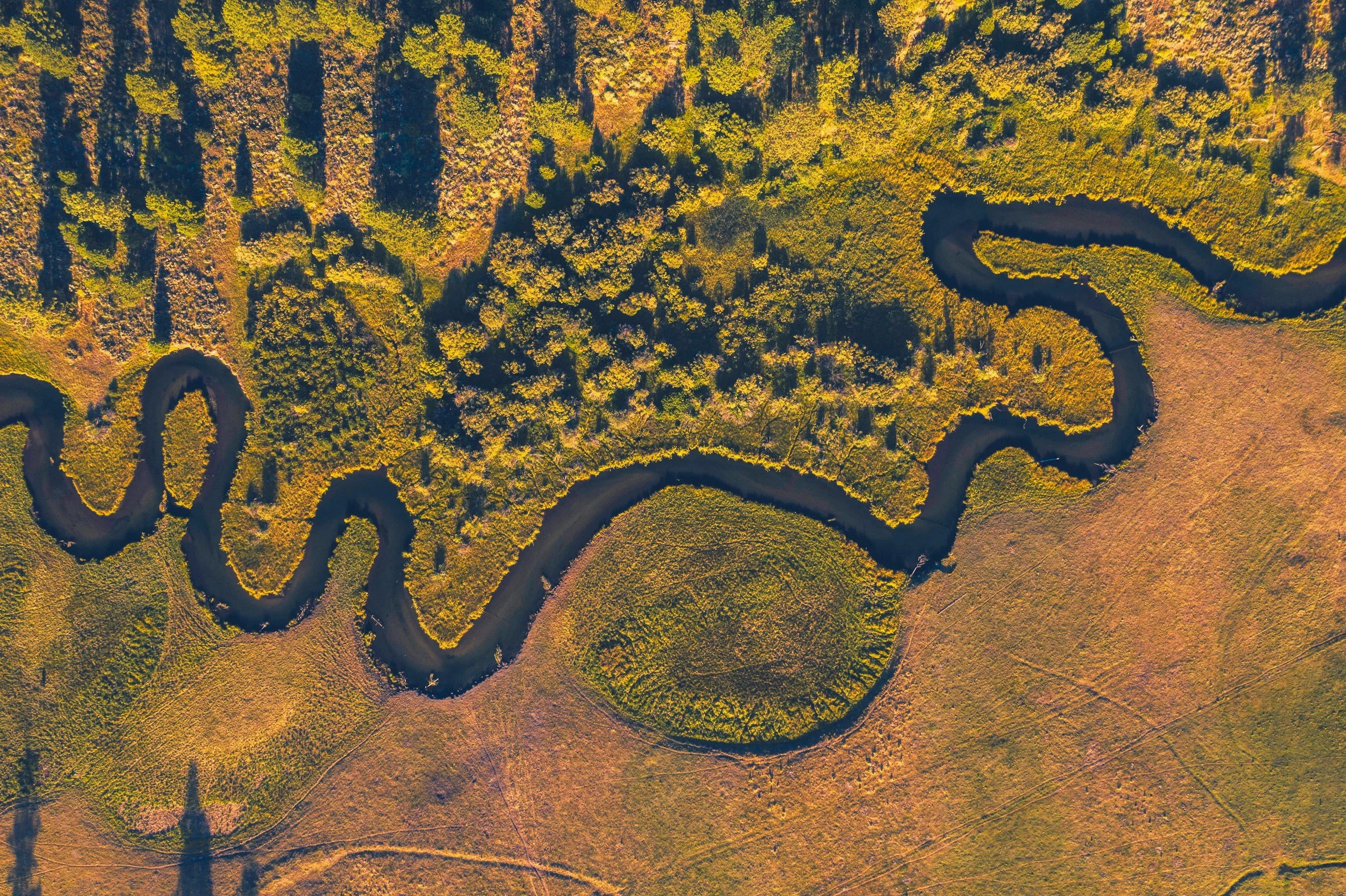
Watershed
Collaborating with artists, practitioners and researchers within the River Trent landscape.


Permaculture
Exploring how regenerative agricultural practice relates to ecological identity.
Testimonials
Meet Paul
Paul Moseley is an ethnoecologist, environmental practitioner and researcher working at the intersection of environmental anthropology, ecological knowledge and place-based practice.
With approximately 25 years of experience in countryside management, environmental practice and education, he brings together practical land management experience with interdisciplinary research into the relationships between people and the natural world.
He is the founder of the Centre for Ethnoecology and a Visiting Lecturer at the University of Hertfordshire, where his teaching explores nature connection, ecological identity and place-responsive practice.
His work brings together traditional and local ecological knowledge, multispecies ethnography, ecosystem thinking and environmental philosophy to explore how different ways of knowing and relating to the Land can contribute to meaningful environmental and organisational change.
From corporate sustainability and public policy to community-led regeneration and landscape research, he helps organisations discover the relationships, knowledge and opportunities that can inform a more ecologically responsive future.
Blog

Q+A section
Ready to map out a powerful new story for yourself, your team, or organisation?
Request a Discovery Call with Katrice