
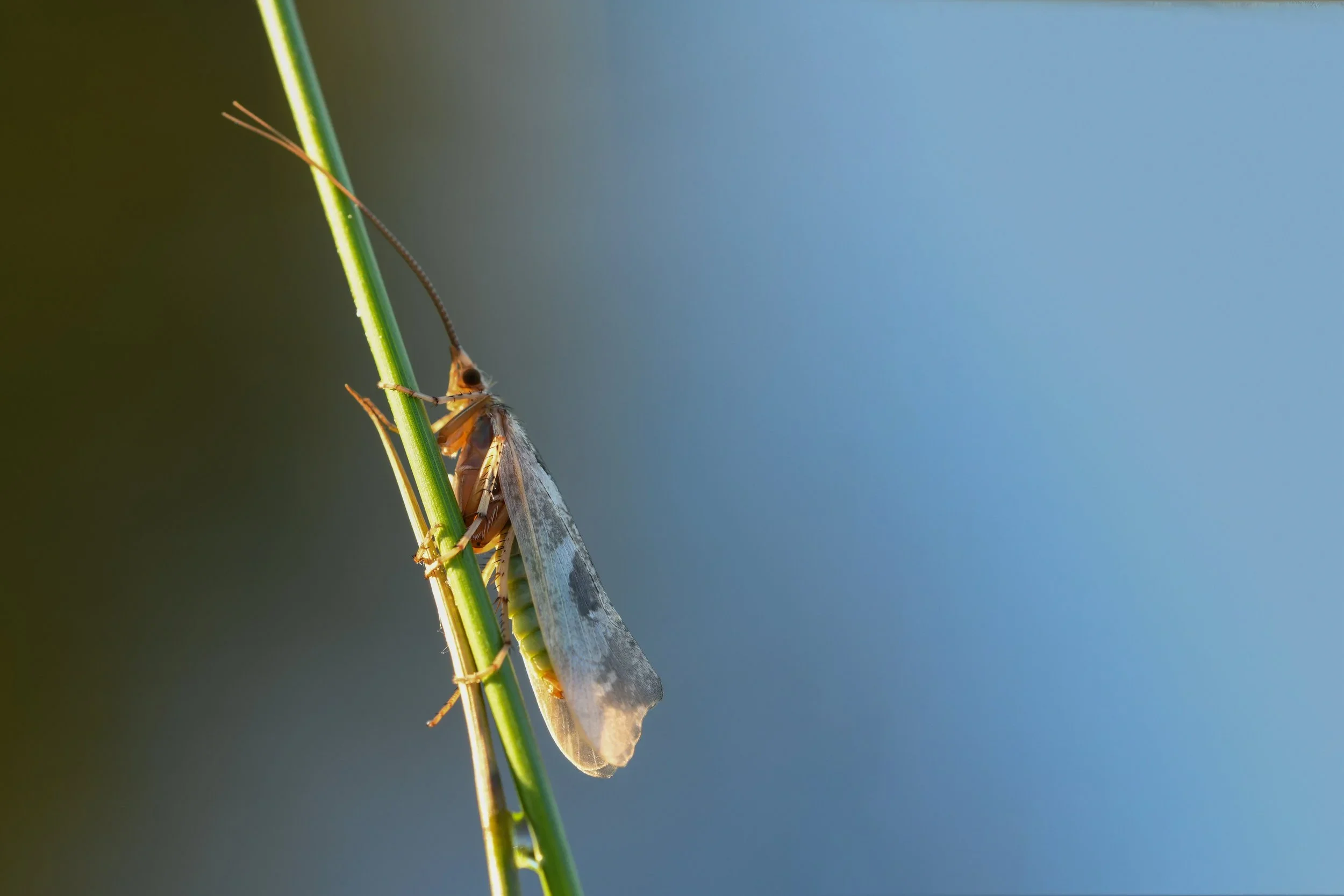
Some of the most useful information about a river can be found beneath its surface, among the small invertebrates living in its beds and margins. Mayfly nymphs, stoneflies and caddisflies are sensitive to changes in water quality, making their presence and abundance valuable indicators of freshwater health.
The Riverfly Partnership has recently secured £288,600 from the Esmée Fairbairn Foundation to expand its citizen-science programme over the next three years. Its network now covers 1,999 monitoring sites across 899 rivers and 282 catchments, with more than 80,000 survey records held in an open-access database.
The next stage is particularly interesting. The partnership wants to strengthen the relationship between volunteer-generated evidence and the organisations responsible for river management, while developing regional partnerships and longer-term funding arrangements.
There is an important distinction between collecting observations and having the influence to act on them. Volunteers may develop considerable knowledge of a particular stretch of water, its seasonal changes and its ecological character. Yet that knowledge needs routes into decisions about pollution, abstraction and restoration.
Perhaps the future of river monitoring depends as much on recognising the value of these local relationships as it does on improving the technology used to measure water quality.
Original source: Freshwater Biological Association, 10 November 2026.
Article: Riverfly Partnership secures major funding to expand citizen science and help protect UK rivers