
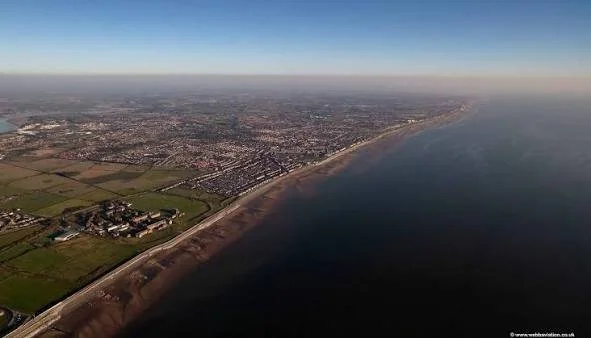
How places inherit the industry we create.
There is something unsettling about discovering that the ground beneath an allotment has a history that its owners were never told about. In Thornton-Cleveleys, reports from 2005, 2007 and 2015 recorded PFOA contamination around the Hillhouse chemical manufacturing site. Residents were not alerted until much later. Two allotment sites have now been formally designated as contaminated land.
The story is not confined to Lancashire. PFAS have also been detected in Arctic wildlife, including polar bears, seals and gulls. A 2026 study of animals sampled in Greenland identified 21 PFAS through targeted testing, alongside 16 emerging compounds through additional screening. This does not establish a connection to the Lancashire factory; it illustrates the much wider reach of industrial chemicals through environmental systems.
Rob Nixon's idea of slow violence seems particularly relevant here. Pollution is not always dramatic. Sometimes it is a gradual inheritance, embedded in soil, water and the ordinary activities through which people inhabit a place. How do we recognise damage when it has become part of the landscape?
Source: The Times, 30 October 2026 — Factory's toxic soil pollution known for 20 years before alert.
Supporting evidence: Wyre Council's contaminated-land announcement.





“Forever chemicals” and the impact on place and its communities.